Author: Sue Yang

  • [Zoey Comes to Stay at a House for One Night] Afterword: Talking About Houses and Home

    [Zoey Comes to Stay at a House for One Night] Afterword: Talking About Houses and Home

    Home Journal 2026.Jan.12  
    by Master Yang's eldest daughter, Ji Shu/Sue YANG

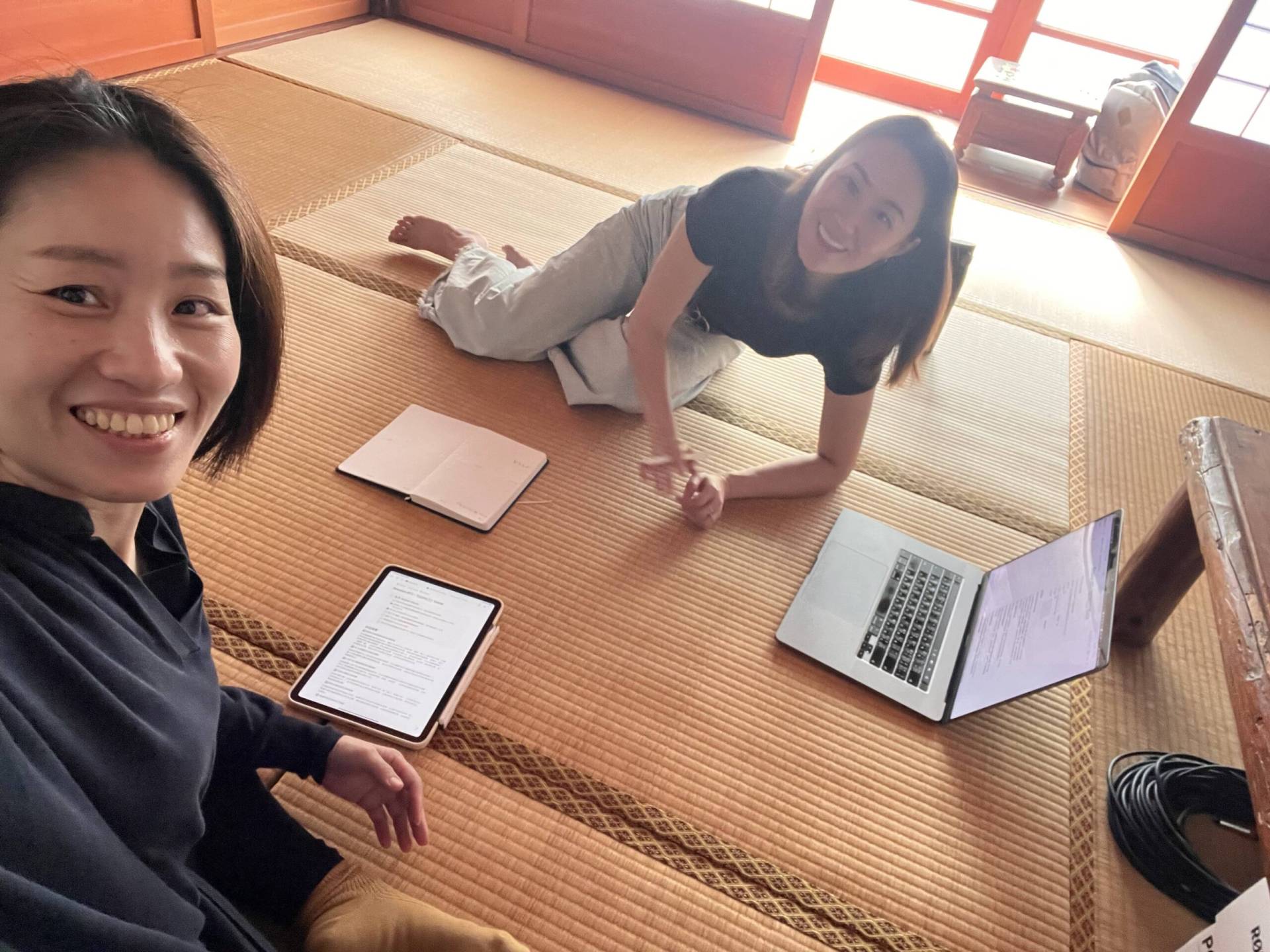
    That afternoon, the familiar host of the Editor’s Teahouse, Zoey, and her husband drove all the way from Hualien to the house without stopping. When they opened the car door, they looked completely exhausted, so we quickly invited them to stretch out on the tatami mats in the Japanese-style room. We sat on the engawa, enjoying the cool breeze, and had afternoon snacks and coffee at the low table with the patterned tiles. After they’d unwound from the stress of driving, we started by talking about the kind of life Zoey was planning—one I’d never thought of before: moving to a new place every six months.

    She and her husband have already arranged for a real estate agent to manage their house in the United States. For the next six months, they’ve decided to move to Taiwan and see what it’s like to live there.

    I listened as she described the moving plan she was about to put into action, while thinking about something else.

    因為如果是我,參加一場論壇結束,我就只想立刻回家

    That day, we came up with a topic: What’s the difference between a house and a home?

    And I suddenly realized that when I look back on every place I’ve lived, each one naturally has its own meaning to me
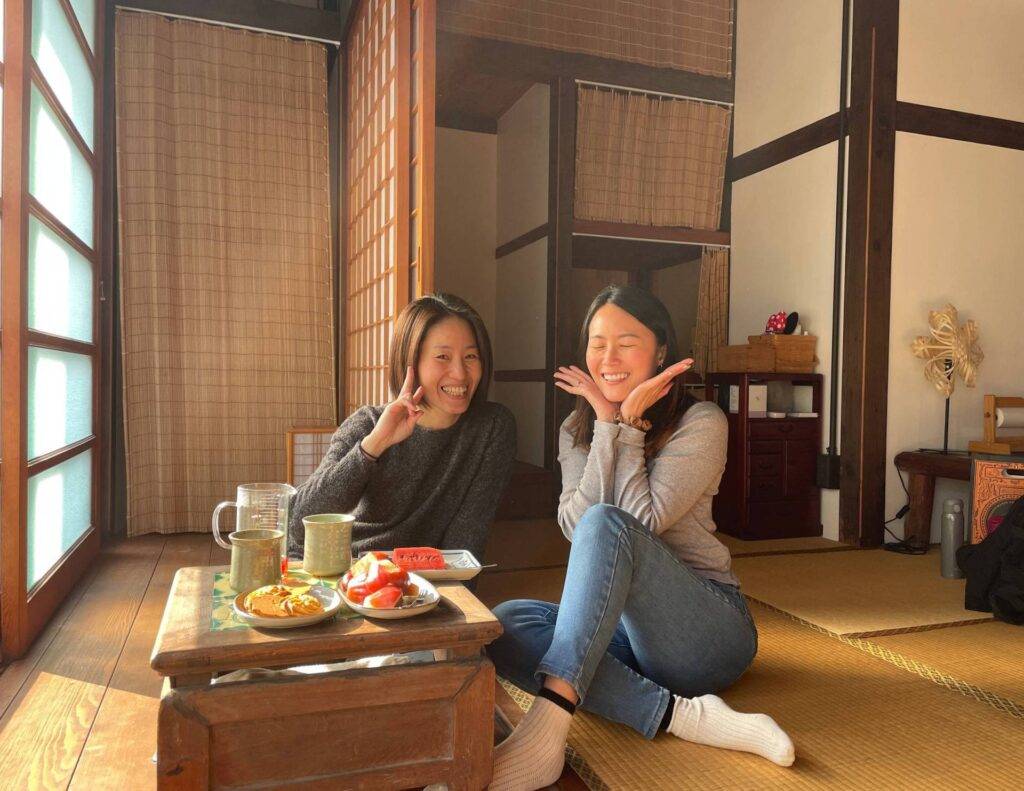

    Homes That Move and Homes That Don’t

    Zoey’s visit to the home came just as she and her husband began making a wish come true: living in a different place every six months

    They had been mulling over this idea for a long time, so they first made arrangements with a trusted agent to look after their house in the U.S., which still hadn’t found a tenant, and then they set off for real.

    For their first stop, they chose Taiwan, planning to see what it was like to live here for six months. So they invited Zoey to stay one night at Jiayu and wrapped up my final coaching session. That day, we talked a lot about “houses” and “home.” Zoey longed for a mobile lifestyle, moving to the next place she wanted to live every so often. I was the exact opposite. Growing up, I never really liked moving around. Even though I was happy to leave home for a short time to learn—to attend a forum, take part in a workshop, or visit an exhibition—as soon as the event was over, I would usually head straight home, not wanting to spend another moment in an unfamiliar place. Traveling abroad was never part of my vacation plans, either.

    For the past few years, I’ve followed the content Zoey shares, watched her write newsletters, and listened to her podcast “The Side Pantry.” She talks about building a brand, and about her life as a Digital Nomad—wherever she wants to live, she goes.

    Although our paths in life are completely different, after taking Zoey’s one-on-one coaching course on “brand management,” I suddenly realized something interesting:

    Our answers seem to point to the same thing

    That is—how to take control of the course of your own life


    Does every place you’ve lived have the feel of home?

    Before moving into the third wooden house built by my father, I had actually lived in quite a few places. Excluding the four homes I shared with my parents and parents-in-law, I spent most of the rest of my time living in rentals.

    For much of my school years and early career, I lived in a variety of rental homes.

    Those houses are not, technically, “their own homes.”

    But looking back now, those places were actually the strongest fortresses in our lives at the time.

    Every time I move to a new place, I put a lot of thought into arranging the space, trying to slowly transform an unfamiliar room into something that feels like home. Later, when I found a partner, my husband decided to move back with me to my family home. That happened to be the time when our house was being built.

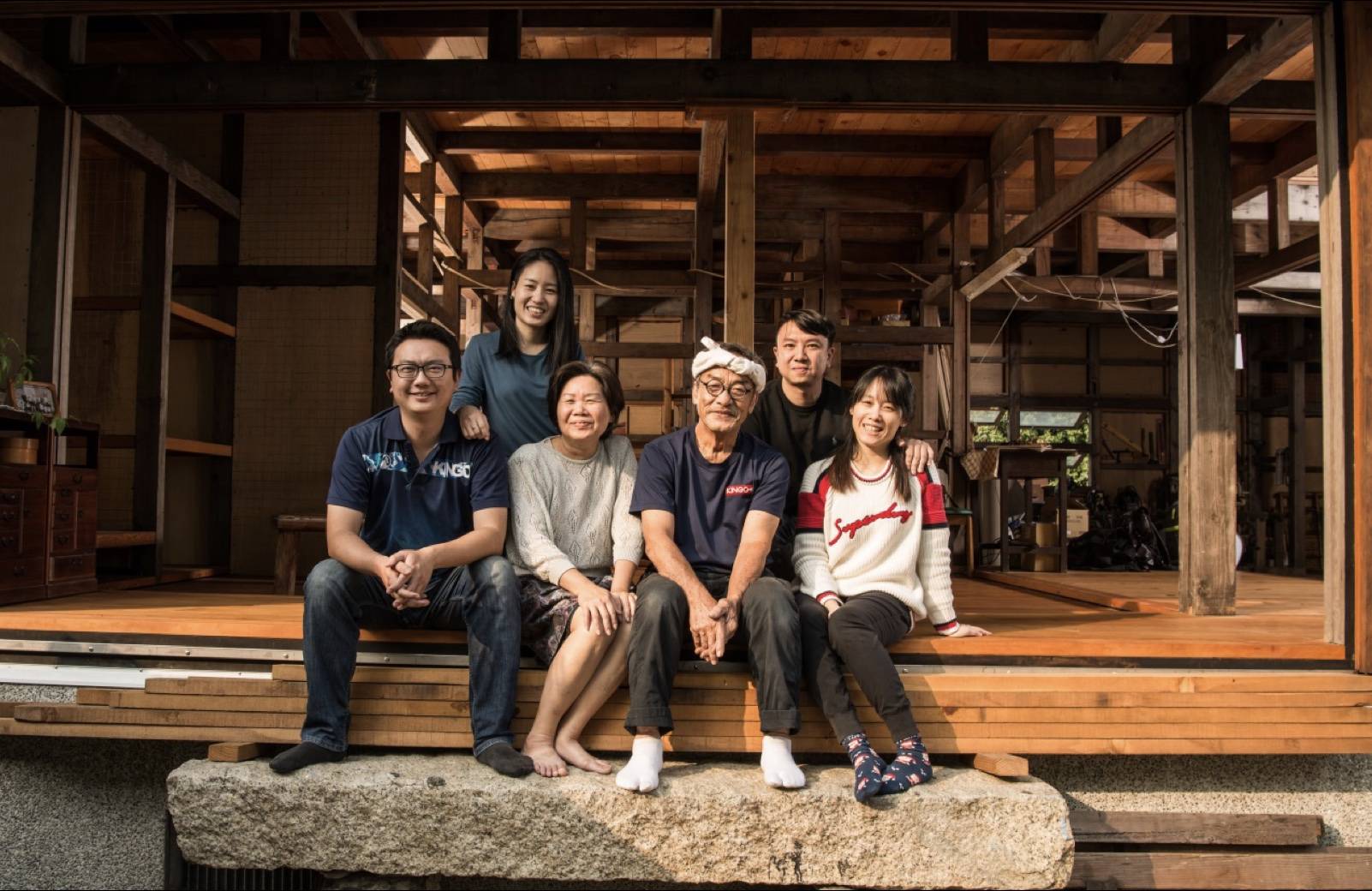
    And so we began a very special life: living while helping our father build a house

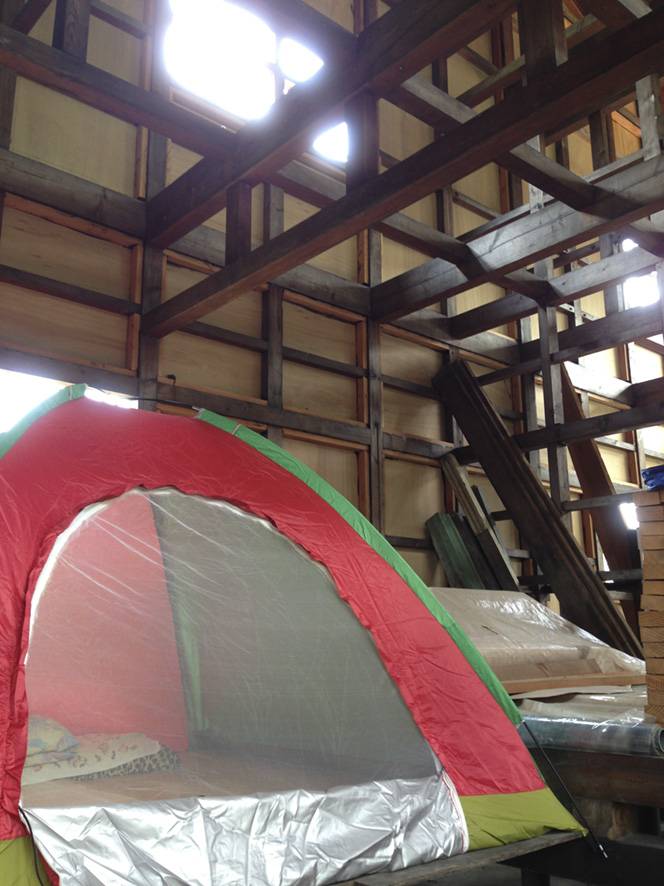
    The house wasn’t finished yet. There were no doors or windows, and the walls hadn’t been built. There were only pillars and a half-finished roof, so we even pitched tents and lived inside the house.

    Days like these continued for at least five whole years
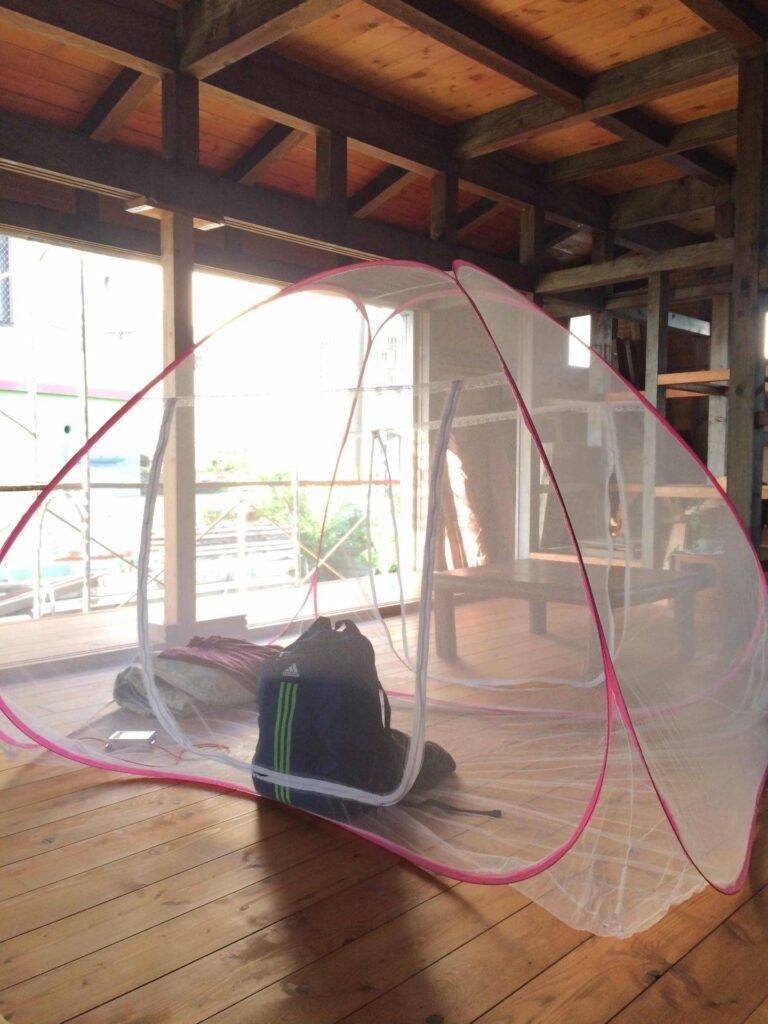

    Looking back now, the house wasn’t actually complete yet
    But strangely enough—home already existed

    Because I have family around me, even though things can get noisy, at least I’m not facing life’s ups and downs alone

    During the pandemic in 2021, my workload suddenly decreased and the pace of life slowed down. It was during that time that my daughter was born.

    Our granddaughter’s arrival has been like a gentle lubricant, making this family feel more complete.


    Her laughter filled the house, which was still under construction.


    Every key holds a chapter of life

    To this day, I still keep many keys to places I used to live. Some still have the keychains I had back then, reflecting my tastes at the time.

    Each key seems to hold a piece of life in trust.

    I’ve realized that the places a person has lived gradually shape who they are today.
    Compared with my father’s experiences, I’ve actually had a much more stable life, thanks to my parents.

    When he was young, his father traveled around doing construction work, worked as a mechanic, and even went as far as Arabia for work. On that hot land, he spent years without a permanent home. Those years on the road bore the weight life placed upon him and shaped the Master Yang we know today.

    Perhaps that’s why he later became so determined to build a house—a home where his family could live for a hundred years
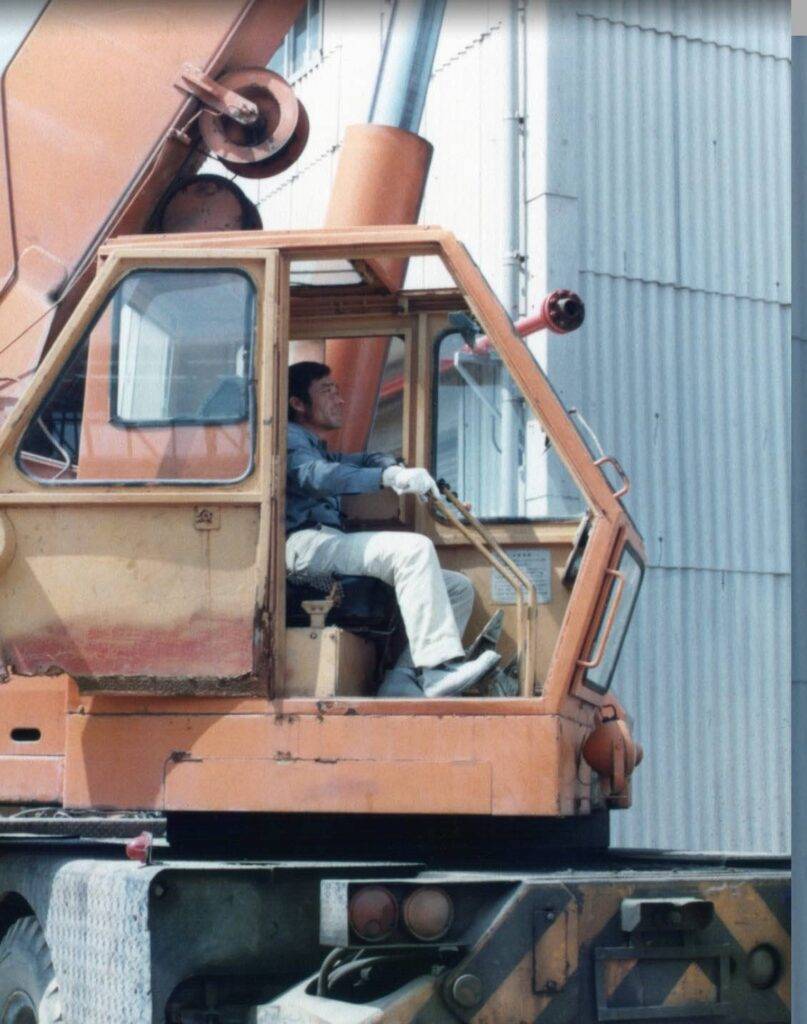

    How many keys have you had in your life?

    Let’s see: from birth to moving away to study and work, I’ve lived in 11 homes so far.

    If we also count the two experimental wooden houses built on the same piece of land while my parents were running a restaurant, then I’ve actually lived in 13 houses and had 15 rooms.
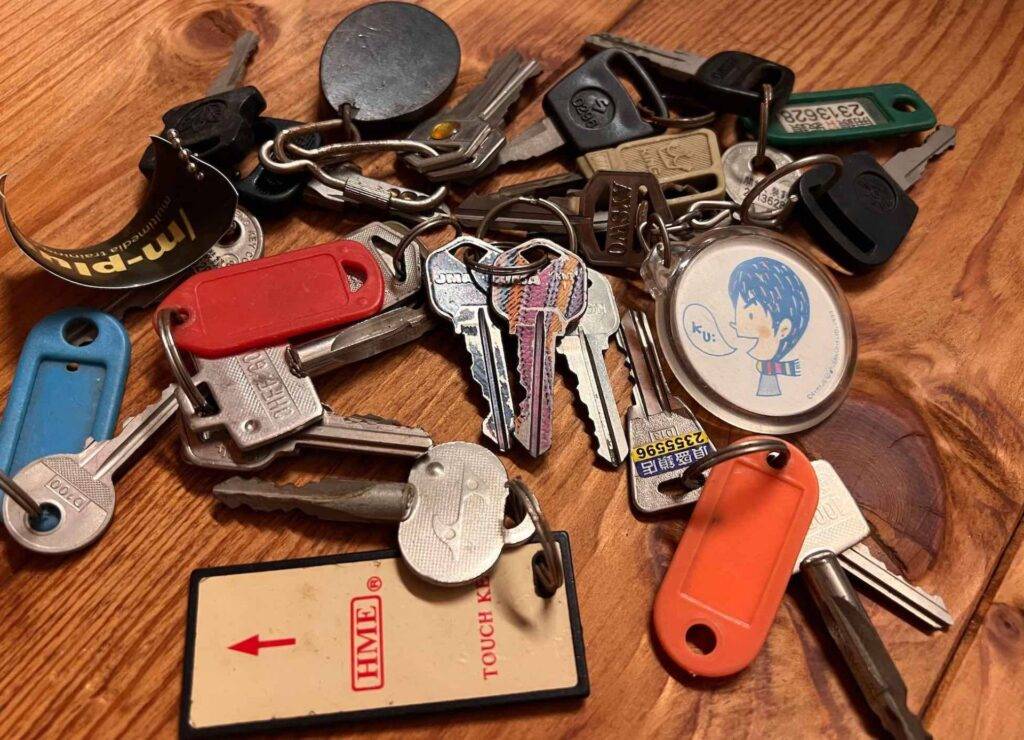
    There is one key that I have always remembered.

    It was an incredibly busy and exciting time. Every day, I ran between the classroom, the school newspaper club, editorial workshops, the printing shop, a freelance design firm, the dance troupe, and the dorm. Whenever I opened my door, the floor was often covered with assignments, color swatches, and manuscripts. The blue jelly-shaped computer in the corner was still huffing away as it rendered my Cinema 4D projects. On the tatami bed, freshly washed dance costumes and uniforms were piled up, waiting to be folded when I had time.

    Looking back now, those days spent living away from home had quietly shaped who I am today.

    Perhaps I can never stop because I’ve long been accustomed to moving things forward on multiple tracks at once.


    A house is like a relay race

    Later, I gradually came to understand something.

    Every home we’ve lived in is like a relay, carrying a different version of ourselves.

    These spaces record the lifestyles of different eras and gradually shape our vision of future living.

    And this kind of longing doesn’t come out of nowhere.

    It was created gradually, step by step, in different places.

    Perhaps you’ll go abroad to pursue advanced studies in a particular field; or perhaps you’ll temporarily leave your familiar hometown for a job

    But when one day, you’ve developed enough abilities and honed your skills

    Maybe you’ll start thinking about another question: Can I live where I want to be with these skills?

    For me, the answer right now might be this: whether you move or stay put, build your ability to manage your own brand and develop some digital work skills, and you may gradually regain the freedom to choose where you live.

    Finally, I’d like to leave you with a question:

    How many keys have you had in your life?🔑
    Which one locks away the days filled with your most cherished memories?
    What kind of home would you ideally like to live in?🏠

    Welcome to the table at Home House. Join our family and talk with us about what a house and a home mean to you.

    Let’s make plans when you’re free! 🤙 A Book House Reservation link
  • How Long Does It Take to Build Your Own Retirement Home from Scratch?

    How Long Does It Take to Build Your Own Retirement Home from Scratch?

    Understand the basic building permit application process so you can build your dream home without a hitch

    The Couple Who Returned Home to Open a Shop Despite Taiwan Being Flush with Money

    For most people, where they live is shaped by all kinds of factors—from school and work to starting a family—and they usually can’t design or choose everything exactly as they wish. But once life becomes more settled, have you ever thought about where you want to live in your later years? How you want to live? What kind of lifestyle you want, or what kind of house you want to build as the final stop on your life’s journey…?

    Today’s article tells the story of a couple who always make the opposite choices from everyone else and spent 18 years building their own home in Fangliao, Pingtung.

    During Taiwan’s economic boom years (1980–1989), their peers headed north in search of jobs and business opportunities, and even bought homes and invested in property. But this couple decided to rent out their house in Kaohsiung, pool funds with their family, and return with their two daughters to their hometown of Fangliao to prepare for their plan to build a home for the next chapter of their lives.

    Back in their hometown of Fangliao, they opened their first restaurant, “Greenfield Café,” serving the trendy burgers of the time (the kind you find at breakfast shops today). The entire building was designed in the shape of a large “G,” and they deliberately preserved the native mango trees on the land. Behind the restaurant, they created a lawn courtyard with open-air seating. In addition to personally supervising the construction, owner Yang San-er made a fountain himself. Before they turned fifty, the income from the restaurant had enabled them to raise two children. In the restaurant’s tenth year of operation, they decided to start from scratch and build a home for their retirement.

    The Romantic Dream of an Engineer

    Yang San-er (known as Master Yang) once worked in Arabia and was employed by Aramco Engineering. This Taiwanese foreign worker later returned to Taiwan and took part in the Ten Major Construction Projects. For Master Yang, who had spent his youth working in the construction industry, building his own home was a project he was eager to take on and determined to see through.

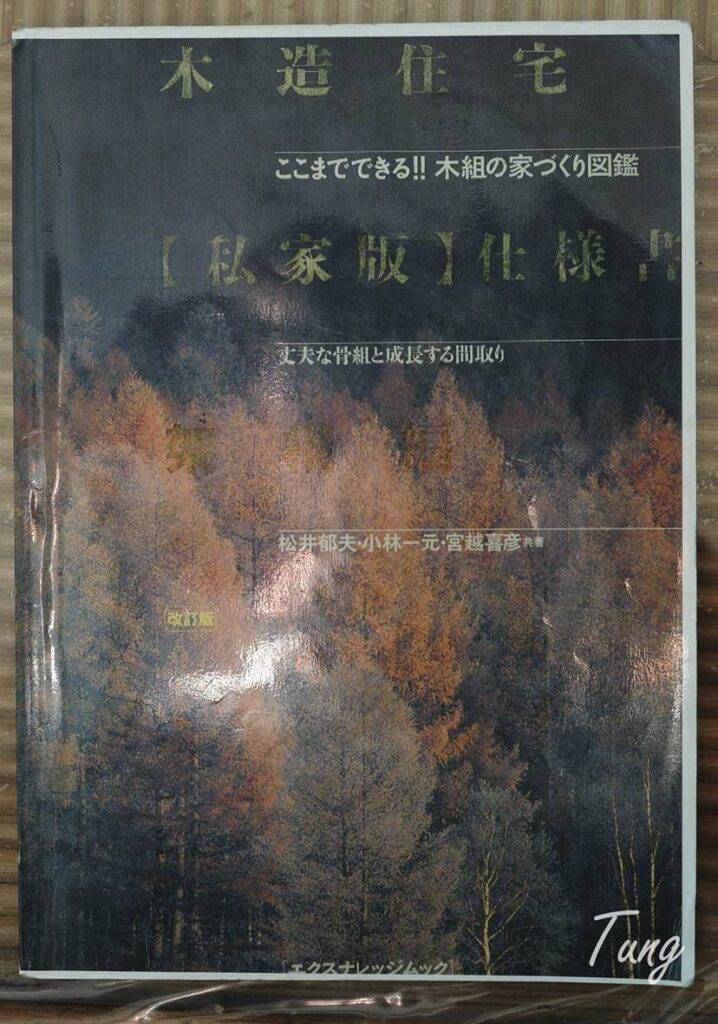
    When he decided to build another future home, it was around the year 2000. Master Yang thought steel was too expensive[Note 1] and was unwilling to use reinforced-concrete brick construction, which could lead to leaks and wall damage over time. While searching for suitable building materials, he read in a newspaper about a lecture on timber construction. After attending the lecture, Master Yang spoke with its presenter, Professor Chen Chi-Jen, now president of National University of Kaohsiung. He borrowed a book from President Chen’s research lab titled “Japanese-Style Wooden Houses,” coauthored by Mr. Ikuo Matsui and architects Kazumoto Kobayashi and Yoshihiko Miyakoshi. The book was about A3 size, with detailed illustrations and text. Master Yang felt as if he had found a treasure destined for him. After reading it over several times, he decided to build his retirement home using Japanese-style timber construction with mortise-and-tenon joints. He began building it in the year he turned 50.

    [Note 1] Rebar costs approximately NT$20,000 per metric ton (current average price for SD-280 rebar is approximately NT$ 14,150 per ton _ price list update date: February 2, 2015)

    The purest “unadorned value” emerges through sweat and perseverance

    Deciding to build his own home was like deciding to apply for a working holiday abroad before turning 30. For Mr. Yang, an engineer through and through, the motivation to build his home himself went beyond saving on labor costs—he also wanted to take part in the process and create his own home.

    Building a home is a major life project. We recommend starting this romantic endeavor during a stage of life when you have the most time, financial resources, and mental energy to spare. As you gradually imagine the final journey of your life, ask yourself how you want to live and envision the different scenarios you may encounter in the future. When you hope to see the blueprint for a home tailored to you and built with your own hands come to life, you can slow down and recognize the “intrinsic value” of this project.

    Choosing an unconventional way to build a home requires plenty of patience and unwavering determination. The harsh reality is that, in a utilitarian society, time is money. We live in an era where we coexist with digital technology and share resources. The moment we open our eyes, there are bills and basic living expenses to pay, and we can’t ignore the recurring monthly charges.

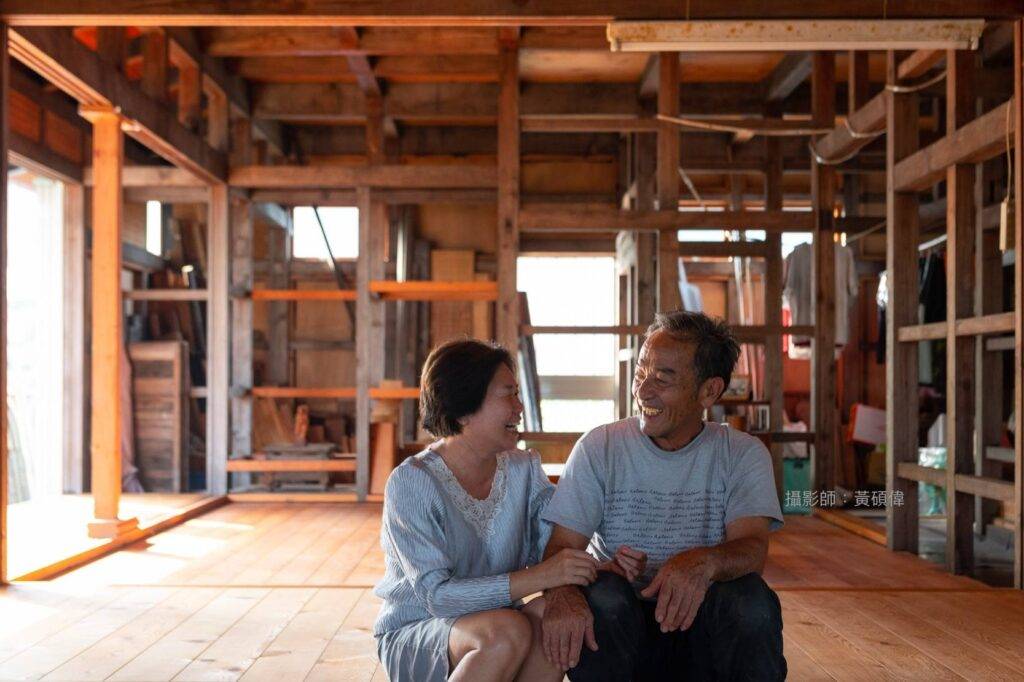
    For this reason, Master Yang and Mrs. Yang of Yice Damu Homes chose to live with less and cut their living expenses. They made a pastime of camping in a tent at the construction site and used scrap wood and dry leaves to build fires and boil water for household use. These measures were no mere two- or three-day camping experience; they were genuine lifestyle changes that lasted nearly ten years as they built their home, devoting themselves wholeheartedly to the project.

    Basic Construction Process for Self-Built Homes

    People often ask, “Why does it take so long to build a retirement home?” The Yice family always answers, “We’re not very wealthy, so we chose to build our house gradually.” If you have a sufficient budget, you don’t have to choose to build the entire house yourself like Yice Big Timber House did, spending 18 years just on the main structure. Hiring a team to help build your home is a great option for condensing this complex process.

    Regarding building your own home, one major difference from buying a completed home is that in Taiwan, owning only a plot of land makes it more difficult to obtain a loan or financing. There are few options, and the loan-to-value ratio is low. This is the first major hurdle. As a result, while the dream of building a home is still taking root, most people ultimately choose the mainstream option of buying a completed home and negotiating a loan with a bank. You can decide “where to buy,” but “what kind of home to live in” depends on how many developments are available to tour and choose from in the area.

    Buying a completed home was never an option for the family of a single carpenter. When Master Yang was young, he returned home from working in the Arab world with U.S. dollars. At his father’s suggestion, he bought a fifth-floor apartment in Kaohsiung City. In addition to the inconvenience of coming and going and the rooftop’s exposure to the sun and heat, maintenance issues affecting the entire building often caused trouble between residents. In recent years, disputes over the shortage of parking spaces have also become more common. These various factors beyond their control disrupted their daily lives and made it impossible to feel settled. So, even though funds were limited, building a home of their own remained the only option that Master Yang and his wife were determined to pursue.

    For the timeline and building permit application process when building your own home in Taiwan, you can refer to the following steps:

    Homebuilding Guide

    When you think about what kind of house you want to live in and what kind of life you want to lead, can you always get lost in the excitement and anticipation? Of course, you don’t have to rally your entire family to spend 20 years building a house like Master Yang did. You can choose to hire a home-building agent who, as someone who has traveled the long road of building a home, can be your best guide on the path to realizing your dream and help you determine what’s feasible amid your vague wishes.

    Starting with your plans, we’ll help you work out the right building methods and provide references for suitable materials within your budget. Avoid shopping around for prices only to find that no one can give you a reasonable quote. Instead, use the time you’d otherwise spend knocking on doors to think through and finalize your home plans, and let your home-building agent help turn your vision into reality.

    There are three key requirements for building your own home, and they’re also the three main things to consider before starting any project:

    1. People (family support)
    2. Money (construction budget)
    3. Time (volunteer vacation days)

    Building your own home or hiring someone to build it for you will be one of the most rewarding chapters of your life—a time when your dream takes tangible shape. But the experience of paying for it is quite the opposite of buying a move-in-ready home and paying later. The pace of a self-build changes with the builder’s day-to-day schedule. The project may be delayed because work keeps them busy, put on hold because the budget for the next phase of construction isn’t ready yet, or require design changes to meet a family member’s needs. It’s a romantic undertaking that calls on you to keep asking yourself whether this is truly what you want. Each pause seems to ask the question all over again: Is this self-built home meant to be the place you call home?

    If you’re also looking for a home with the ideal proportions for your life

    Start looking for your destined home-building agent and schedule a home-building consultation!

LineFacebook
en_US